
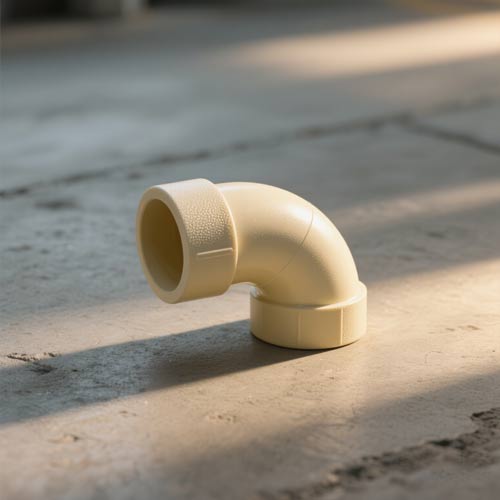
Ever stared at a shiny PVC shower curtain or a sturdy PVC pipe and thought, "How on earth does this stuff get made?" And more importantly, can it be whipped into shape using the injection molding process? Well, hold onto your safety goggles, because we're about to dive into the wild, wacky, and sometimes downright sassy world of PVC injection molding!
PVC (polyvinyl chloride) is like that one friend who's super talented but also has a million diva - like demands. It's everywhere in our lives, from those cute little keychains to massive industrial pipes. But when it comes to injection molding, it doesn't just roll over and play nice. Oh no! It's more likely to throw a tantrum if things aren't just right.
PVC has a melting point that's as finicky as a cat trying to find the perfect napping spot. It starts to melt around 160 - 190°C. But here's the catch: heat it even a tiny bit too much, say above 200°C, and it's like you've poked the plastic bear with a stick. It begins to decompose faster than a snowman in the Sahara, releasing a not - so - pleasant smell and turning into a discolored, gooey mess. Imagine expecting a beautiful, clear plastic part and getting something that looks like it was left on a bonfire!
When PVC is in its molten state, it's thicker than your grandma's famous molasses cookies. Its high viscosity means it doesn't glide through the injection molding machine smoothly. It's like trying to push a stubborn elephant through a narrow hallway. If you can't get it moving properly, you'll end up with parts that are either incomplete or look like they've been through a blender. And trust me, that's not the look we're going for!
Here's a fun (not really) fact: PVC contains chlorine. When it gets too hot and starts to degrade, it releases hydrogen chloride gas. It's like the plastic is throwing a chemical party and inviting all the wrong guests. This gas is not only stinky but also corrosive, and it can do some serious damage to your injection molding equipment. It's like having a mischievous little gremlin inside your machine, just waiting to cause chaos.
Barrel Temperature: For rigid PVC, set the barrel temperature between 170 - 185°C. It's like finding the perfect temperature for your morning coffee - not too hot, not too cold. For flexible PVC, aim for 160 - 175°C. Keep a close eye on the temperature, because PVC is watching you and just waiting for you to mess up!
Mold Temperature: Keep the mold temperature at a cool 30 - 60°C. Think of it as giving the molten PVC a nice, refreshing dip in a cool pool after its wild ride through the barrel. This helps it solidify evenly and keeps those pesky warping and cracking issues at bay.
Plasticizers to the Rescue: If you're working with flexible PVC, adding plasticizers can be a game - changer. You can add up to 50% of the resin weight in plasticizers. It's like adding a splash of oil to a squeaky door hinge - suddenly, everything moves smoothly.
Power Up the Pressure: Crank up the injection pressure to 100 - 150 MPa. This gives the thick PVC the nudge it needs to flow through the mold. It's like giving that stubborn elephant a gentle (but firm) push to get it moving through the hallway.
Stabilizers are Your Friends: Add heat stabilizers, about 2 - 5% by weight, to the PVC compound. These little heroes act like bodyguards, protecting the PVC from degrading and releasing those harmful gases. It's like having a security team at a celebrity event, keeping all the troublemakers out.
Ventilation, Ventilation, Ventilation: Make sure your injection molding area is well - ventilated. A good ventilation system can whisk away those harmful gases before they have a chance to do any damage. It's like opening all the windows in your house after you've burnt the toast - it clears the air in no time!
A plumbing company was having a nightmare with their PVC pipes. They were getting parts with all sorts of defects, from holes to strange bumps. They decided to follow the temperature - taming rules, dropping the barrel temperature from a too - hot 195°C to a more reasonable 180°C and adding 3% heat stabilizer. The result? Their product yield skyrocketed from a dismal 60% to an impressive 92%. Talk about a plumbing victory!
A trendy accessories brand wanted to create stylish PVC handbags. But every time they tried to injection mold the PVC, it either cracked or refused to take the right shape. They increased the injection speed from a sluggish 80 mm/s to a zippy 120 mm/s and adjusted the mold temperature to 45°C. Voila! They started churning out beautiful, durable handbags that were an instant hit on the fashion scene.
So, can PVC be injection molded? Absolutely! But it takes a bit of know - how, a whole lot of patience, and a willingness to deal with its sassy ways. With the right solutions and some accurate data - driven adjustments, you can turn this plastic prankster into a well - behaved star of the injection molding show. Are you ready to take on the challenge and create some amazing PVC products? Let the molding madness begin!


