Picture this: you're holding a sleek, transparent water bottle that feels just right in your hand, or a sturdy, shiny food container keeping your leftovers fresh. Chances are, these everyday essentials are made from PET, or polyethylene terephthalate. But here's the burning question: can this versatile plastic be injection molded? Spoiler alert: it absolutely can, and the process is a fascinating blend of science and art!
PET is like the Swiss Army knife of the plastic world. Known for its excellent clarity, high strength, and impressive barrier properties against moisture, oxygen, and odors, it's the go - to material for countless consumer products. From beverage bottles to food trays, PET has become an integral part of our daily lives. But its journey from tiny plastic pellets to the products we use isn't always a walk in the park.
PET has a relatively high melting point, typically around 255 - 265°C. Heating it up to the right temperature is crucial. If the temperature is too low, the PET pellets won't melt properly, and you'll end up with a part that looks more like a lumpy mess than a smooth, finished product. It's like trying to make a smoothie with half - frozen fruit - it just won't blend right. On the other hand, if the temperature is too high, the PET can start to degrade, losing its desirable properties and even emitting a less - than - pleasant smell.
In its molten state, PET has a high viscosity, which means it's thick and doesn't flow as easily as some other plastics. It's a bit like trying to pour honey on a cold day - it takes its time and can be stubborn. This high viscosity can make it challenging to fill the mold cavities evenly, leading to parts with inconsistent thickness or even voids.
PET has a tendency to crystallize during the cooling process. While some degree of crystallization is beneficial as it enhances the strength and heat resistance of the part, too much or uneven crystallization can cause problems. Uneven crystallization can lead to warping, where the part twists or bends out of shape, and it can also affect the clarity of the final product, making it less transparent.
Invest in a high - quality injection molding machine with advanced temperature control systems. Use a multi - zone barrel to ensure that the PET is heated gradually and evenly. For example, start with a lower temperature at the hopper end (around 230 - 240°C) to pre - heat the pellets gently, and then ramp up the temperature towards the nozzle (up to 270°C) to ensure a smooth, molten flow. Continuously monitor the temperature with sensors and make real - time adjustments as needed.
Modify the mold design to help the viscous PET flow more easily. Use larger - diameter runners and gates to reduce the resistance. A wider runner is like a larger highway for the molten plastic, allowing it to move more freely. Additionally, consider using a hot runner system. In a hot runner system, the runners are kept heated, preventing the PET from cooling and solidifying prematurely. This ensures a consistent flow of molten plastic into the mold cavities, reducing the risk of short - shots (incomplete filling).
Control the cooling process carefully to manage the crystallization of PET. Use a mold temperature controller to maintain a consistent mold temperature, typically in the range of 80 - 120°C. A higher mold temperature slows down the cooling rate, allowing for more controlled crystallization. You can also use a cooling medium with a regulated temperature, such as a chiller, to fine - tune the cooling process. Another option is to add nucleating agents to the PET resin. These agents act as "seeds" for crystallization, promoting a more uniform and faster crystallization process, which can help reduce warping and improve the overall quality of the part.
PET is hygroscopic, meaning it absorbs moisture from the air. Moisture in the pellets can cause defects during injection molding, such as bubbles and voids. Before feeding the PET pellets into the injection molding machine, pre - dry them at a temperature of around 160 - 180°C for 4 - 6 hours. This is like giving the pellets a good "hairdryer" treatment to ensure they are completely dry and ready for molding.
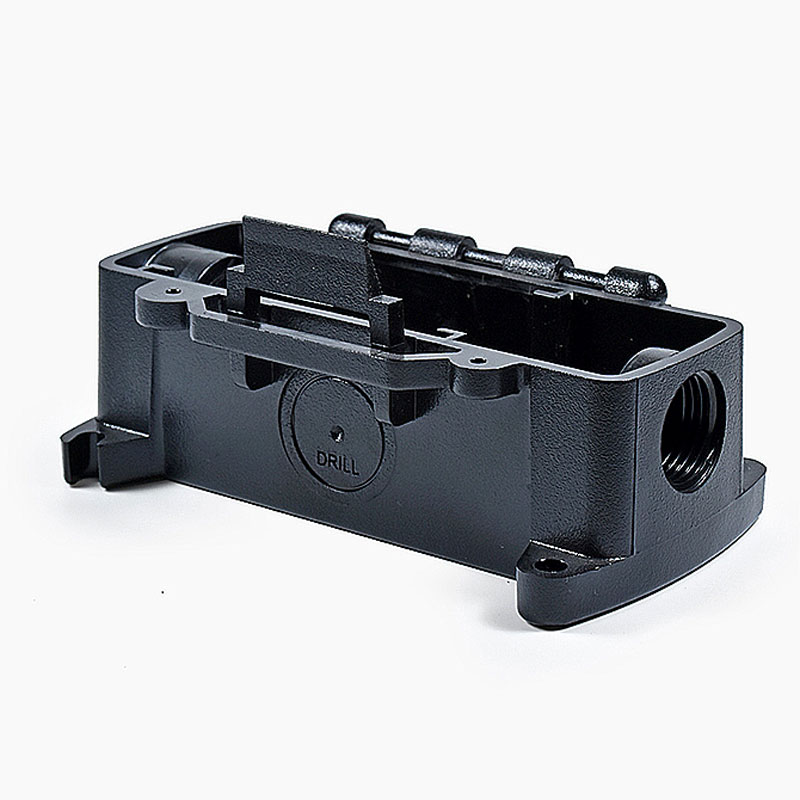
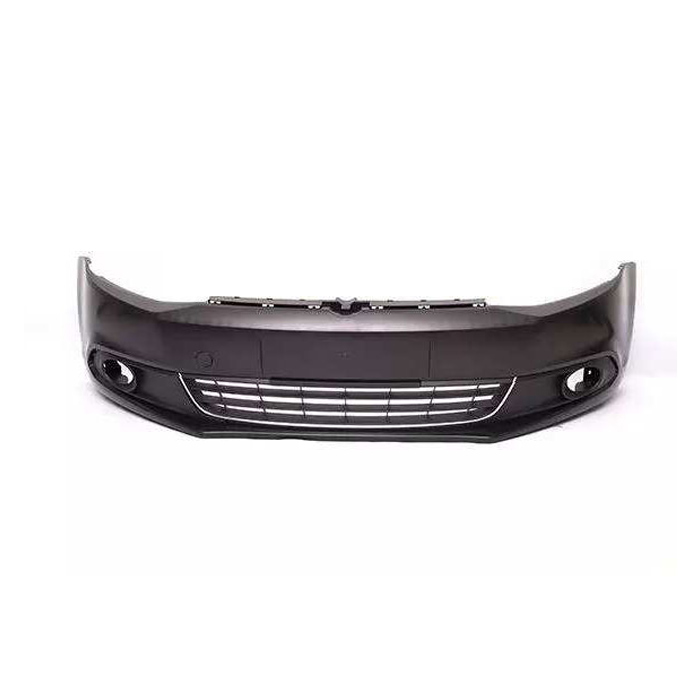
Many industries have successfully harnessed the power of injection - molded PET. In the packaging industry, companies are using injection molding to create innovative, high - performance food containers. These containers not only look great on store shelves but also provide excellent protection for the products inside. In the automotive sector, PET is being used to make lightweight, yet strong components such as engine covers and electrical connectors. With the right injection molding techniques, PET can be transformed into parts that meet the strictest quality and performance standards.
In conclusion, while PET presents its fair share of challenges in injection molding, with the right knowledge, equipment, and techniques, it can be molded into a wide range of high - quality products. Whether it's creating the next generation of sustainable packaging or advanced automotive components, injection - molded PET is here to stay, ready to take on new challenges and applications in the world of plastics.


