PEKK, or polyetherketoneketone, sounds like a secret code from a sci-fi movie, but it’s actually a high-performance engineering plastic that’s making waves in aerospace, medical, and automotive industries. With properties like extreme heat resistance, outstanding chemical stability, and remarkable mechanical strength, PEKK is often hailed as the “superhero” among plastics. But here’s the burning question: Can this super material be injection molded? Let’s dive into this fascinating topic and explore the fun and challenging world of PEKK processing!
Before we answer the big question, let’s take a moment to appreciate what makes PEKK so special. Imagine a plastic that can withstand temperatures as high as 300°C without melting, resist harsh chemicals like a shield, and still maintain its strength and shape. That’s PEKK for you!
In the aerospace industry, PEKK parts can replace heavy metal components, reducing the weight of aircraft and saving fuel. In the medical field, its biocompatibility makes it suitable for implants that need to endure the body’s complex environment. And in the automotive sector, PEKK’s ability to handle high mechanical stress and extreme temperatures makes it a prime candidate for engine components.
But with great power comes great processing challenges. PEKK’s high melting point (around 330 - 340°C) and high viscosity make it a tough nut to crack when it comes to traditional manufacturing methods. So, does injection molding stand a chance?
At first glance, injection molding PEKK seems like trying to fit a square peg into a round hole. Traditional injection molding machines and processes are designed for common plastics like polyethylene or polystyrene, which have much lower melting points and flow more easily. PEKK, on the other hand, requires a whole different set of tricks.
The most critical aspect of injection molding PEKK is temperature control. We’re talking about cranking up the heat to levels that would make regular plastics vaporize! The barrel temperature needs to be set between 380 - 400°C to melt the PEKK pellets properly. It’s like turning the injection molding machine into a mini-furnace! But it’s not just about heating it up; maintaining a precise and stable temperature throughout the process is crucial. Any fluctuations can lead to inconsistent melting, resulting in poor part quality.
PEKK has a high viscosity, which means it’s thick and sticky when molten, like super-thick honey. This makes it difficult to flow through the injection molding machine’s channels and into the mold cavities. To overcome this, we need to optimize the mold design. Using larger-diameter runners and gates can help reduce the resistance and allow the molten PEKK to flow more smoothly. It’s like widening the roads in a busy city to ease traffic congestion!
Ordinary mold materials won’t cut it when dealing with PEKK. The high processing temperatures and the abrasive nature of the molten plastic can quickly wear out standard steel molds. Instead, we turn to high-performance mold materials like hardened tool steel or even exotic materials like beryllium copper. These materials can withstand the extreme heat and friction, ensuring the mold lasts longer.
The mold design also needs to be carefully thought out. Proper cooling channels are essential to quickly solidify the PEKK once it’s in the mold. But cooling too fast can cause internal stresses in the part, while cooling too slow can lead to long cycle times. It’s a delicate balance, like finding the perfect temperature for a warm bath!
Despite the challenges, many manufacturers have cracked the code and successfully injection molded PEKK parts. One of the key breakthroughs has been in developing specialized injection molding machines designed specifically for high-temperature plastics. These machines come equipped with advanced heating systems, precise temperature controllers, and robust screw designs to handle the viscous PEKK melt.
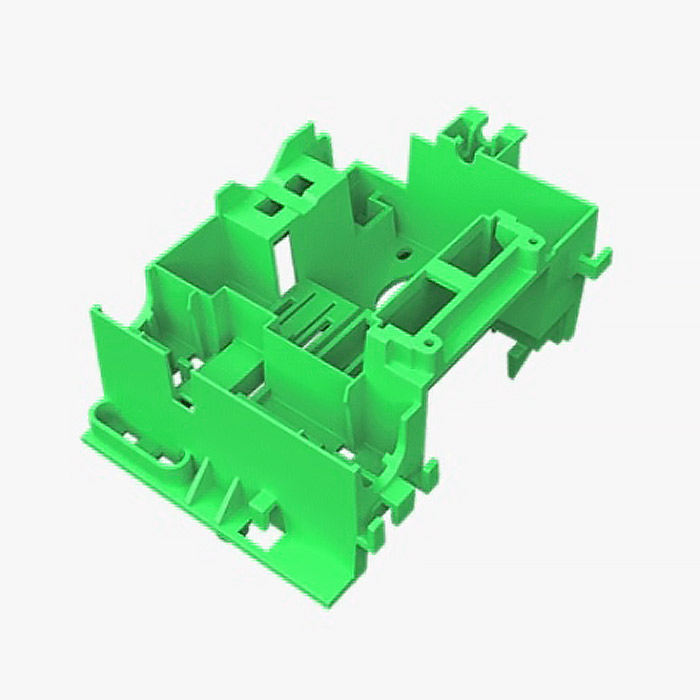
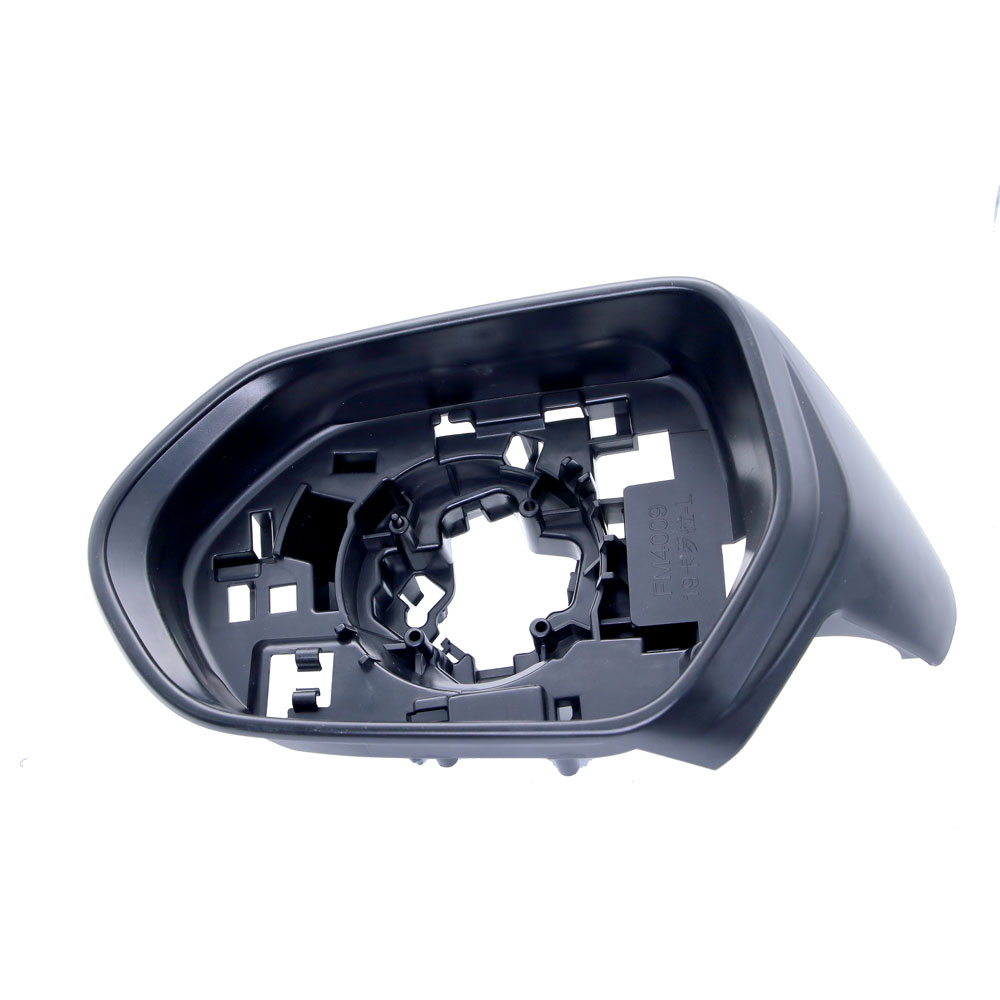
In the aerospace industry, companies have used injection molding to produce lightweight PEKK brackets and connectors. By carefully optimizing the process parameters and mold design, they’ve achieved parts with excellent dimensional accuracy and mechanical properties. In the medical field, injection molded PEKK implants have been developed, providing patients with durable and biocompatible alternatives to traditional materials.
PEKK is hygroscopic, which means it absorbs moisture from the air. Moisture in the material can cause defects like bubbles and voids during molding. So, before feeding the PEKK pellets into the injection molding machine, they need to be pre-dried at around 150 - 160°C for 4 - 6 hours. It’s like giving the plastic a good “hairdryer” treatment to get rid of any unwanted moisture!
Due to its high viscosity, PEKK can stick to the mold surface, making demolding a nightmare. Applying a suitable release agent can help, but it needs to be chosen carefully. Some release agents may contaminate the PEKK part, affecting its properties. Specialized high-temperature release agents designed for engineering plastics are the way to go.
Finding the right injection speed is crucial. Too fast, and the molten PEKK may splash around in the mold, creating air pockets. Too slow, and it may not fill the mold cavities completely. Experimenting with different injection speeds and observing the part quality is the key to finding the sweet spot.
In conclusion, while PEKK presents a unique set of challenges for injection molding, it is indeed possible to mold this super-engineering plastic with the right knowledge, equipment, and techniques. As technology continues to advance, we can expect even more innovative solutions for processing PEKK, opening up new possibilities for its use in various industries. So, the next time you hear about PEKK, remember that with a bit of engineering magic, this plastic superhero can be shaped into amazing parts through injection molding!


