
- |
- Services
- Injection Molding Service
- CNC Machining Service
- Hardware Processing
- |
- |
- |
- |
What is Injection Molding?
What is Injection Molding?
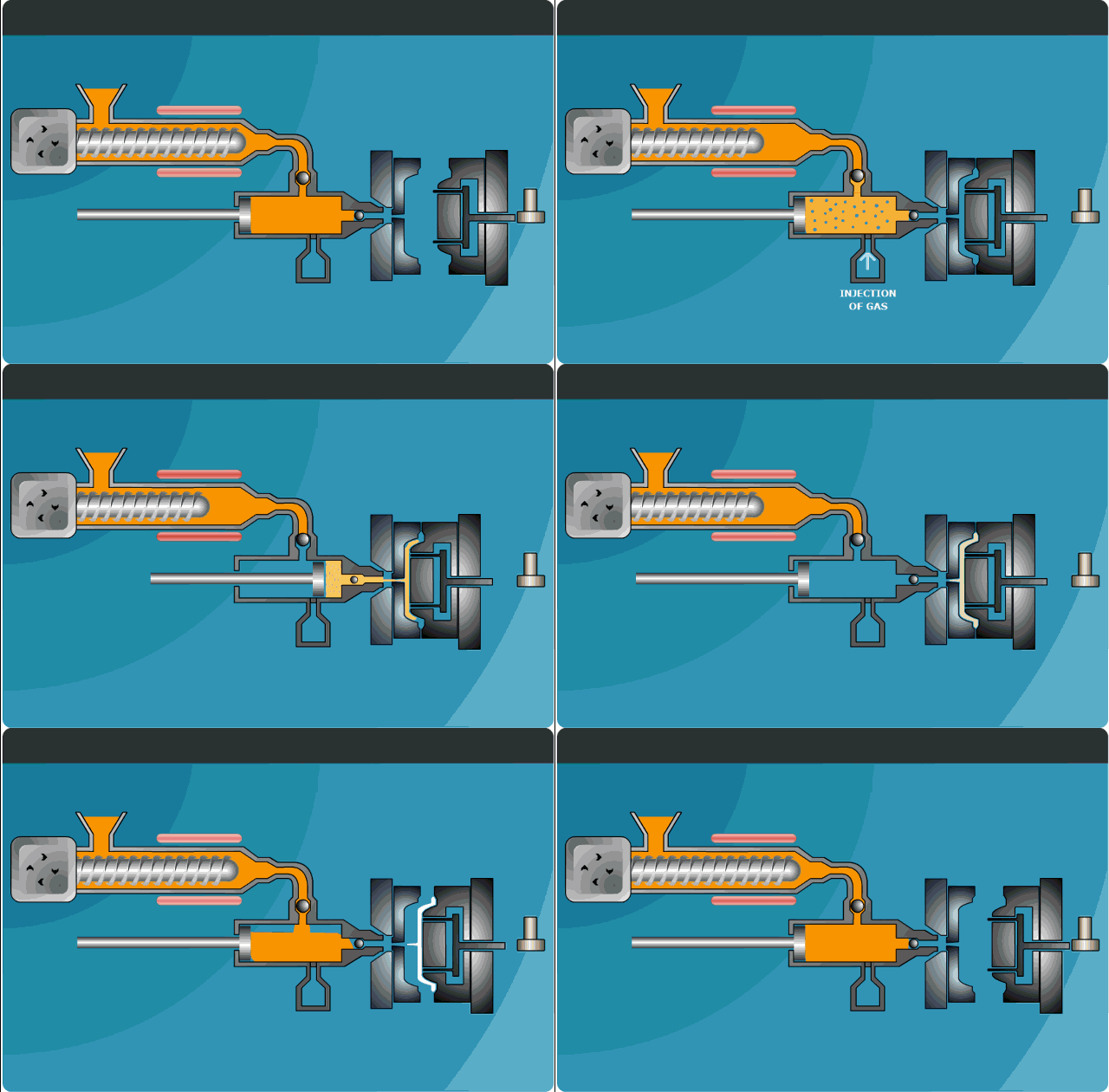

The Basics of Injection Molding
The Injection Molding Process Step - by - Step
Material Preparation: First, the raw material in the form of pellets is fed into a hopper. For plastics, these pellets are then conveyed into a heated barrel. The temperature in the barrel is carefully controlled to melt the material to a viscous, flowing state.
Injection: Once the material is molten, a reciprocating screw or a plunger is used to force the melted material under high pressure into the closed mold cavity. The pressure ensures that the molten material fills every nook and cranny of the mold, accurately replicating the shape of the part.
Cooling and Solidification: After the mold is filled, the material is left to cool inside the mold. During this stage, the material solidifies and takes on the shape of the mold cavity. The cooling time varies depending on the type of material, the thickness of the part, and the complexity of the design. For example, thinner parts made of fast - cooling plastics may only need a few seconds to cool, while thicker or more complex parts made of engineering plastics could require several minutes.
Mold Opening and Ejection: Once the part has solidified sufficiently, the two halves of the mold are opened. An ejection system, which usually consists of pins or ejector plates, then pushes the finished part out of the mold. The part is now ready for further processing, such as trimming, finishing, or assembly.
Applications of Injection Molding
Consumer Goods: It's used to make everything from plastic toys, like Lego bricks, to household items such as plastic containers, kitchen utensils, and furniture parts. The ability to produce these items in large quantities at a relatively low cost makes injection molding ideal for consumer - facing products.
Automotive Industry: Many automotive components are made through injection molding. These include interior parts like dashboard components, door panels, and seat belts, as well as exterior parts such as bumpers, grilles, and mirror housings. In the automotive industry, the high precision and repeatability of injection molding are crucial for ensuring parts fit together correctly and meet safety standards.
Electronics: From the outer casings of smartphones, tablets, and laptops to the small plastic components inside electronic devices, injection molding plays a significant role. The process allows for the creation of intricate designs with tight tolerances, which is essential for the miniaturization and functionality of modern electronics.
Medical Field: Injection - molded parts are used in a variety of medical devices. Syringe barrels, IV connectors, and prosthetic components are just a few examples. In the medical industry, the cleanliness and precision of the injection - molding process are of utmost importance to ensure the safety and effectiveness of the devices.
Advantages of Injection Molding
High - Volume Production: Injection molding is highly efficient for producing large quantities of parts. Once the mold is created, parts can be produced rapidly, often in a matter of seconds or minutes, depending on the complexity of the part. This makes it cost - effective for mass - market products.
Precision and Consistency: The process can achieve very tight tolerances, ensuring that each part produced is nearly identical to the next. This is crucial for industries where parts need to fit together precisely, such as in the automotive and electronics sectors.
Design Flexibility: Molds can be designed to create parts with complex shapes, undercuts, and fine details. This allows for the creation of innovative and functional product designs that may not be possible with other manufacturing methods.
Material Versatility: As mentioned earlier, injection molding can work with a wide range of materials, both plastics and some metals. This versatility enables manufacturers to choose the material that best suits the requirements of the product, whether it's for strength, flexibility, heat resistance, or other properties.


© 2025 Hejia Electronic Technology Co.,Ltd. All rights reserved